
South San Francisco ZIP Code Coverage
South San Francisco has one main street-delivery ZIP and a separate postal context for PO boxes. That distinction matters when a search begins with a South San Francisco ZIP code directory. A postal code describes how mail is routed. It does not define the city boundary, identify every household, or replace the county parcel key. The local pattern is clear in the coverage table.
| ZIP | Areas Covered | Post Office | Notes |
|---|---|---|---|
| 94080 | Downtown and Old Town, Sign Hill, Orange Park, Sunshine Gardens, Winston Manor, Buri Buri, Westborough, Avalon Park, Serra Highlands, Paradise Valley, and east-of-101 business areas | South San Francisco delivery city | Main street-delivery ZIP for ordinary SSF addresses |
| 94083 | South San Francisco PO boxes | South San Francisco PO-box service | PO-box-only context, not a parcel-resident ZIP |
Postal routes can extend by delivery logic rather than by a legal polygon. For a particular address, confirm the ZIP with the USPS city and state lookup, then confirm the municipal jurisdiction with county maps or the city permit record.
94080 Serves South San Francisco Streets
94080 is the principal South San Francisco ZIP for street delivery. It reaches the older core around Grand Avenue, Baden Avenue, the railroad and Sign Hill, later western subdivisions, and large east-of-101 parcels. The list of neighborhood names helps orient a search, but it does not turn a ZIP code into a resident index. A condominium, campus, or multi-building parcel may still need a unit, suite, APN, or recorded map reference.
Check the city and state first, then verify the specific deliverable by address. The output confirms mail routing, not ownership or who receives mail there.
For the official lookup screen used to verify the delivery side of a South San Francisco ZIP code search, open the USPS ZIP Code Lookup.
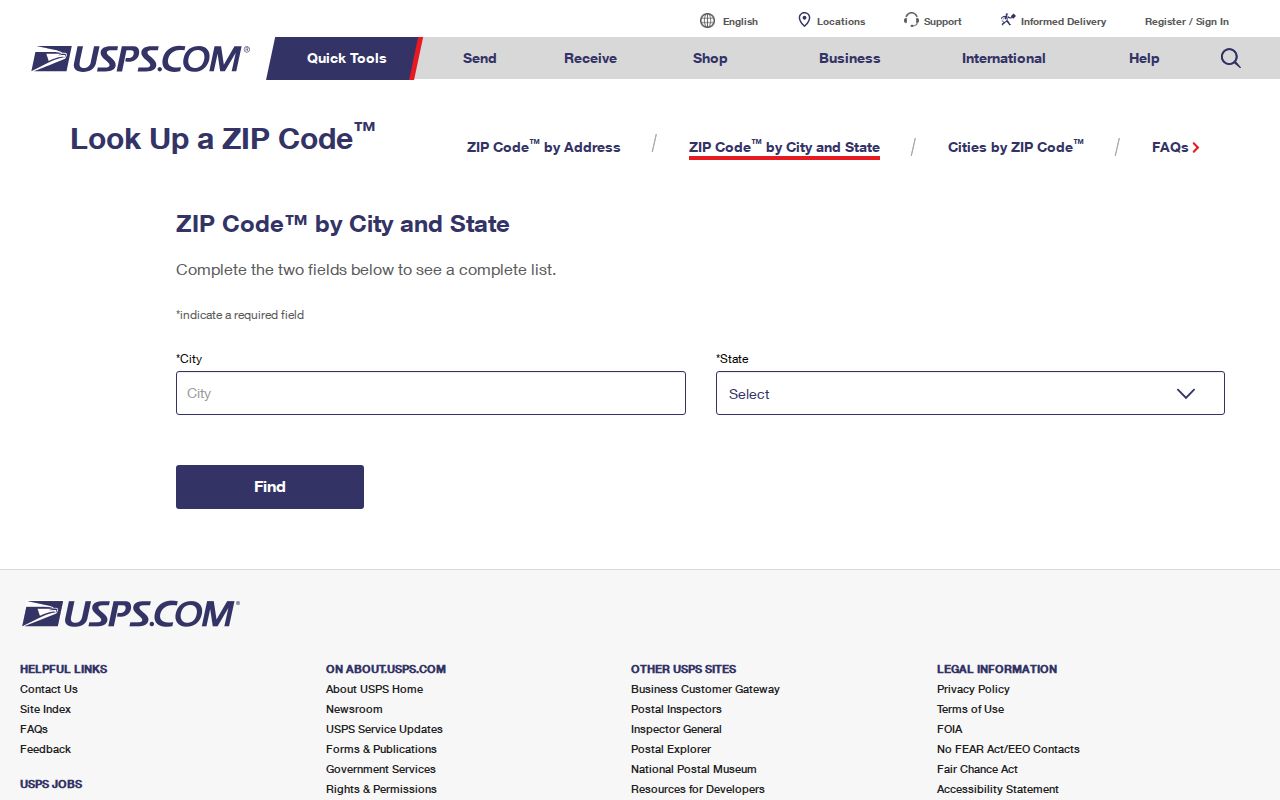
That USPS result anchors the postal part of the address. Parcel, permit, and ownership questions still move to San Mateo County and South San Francisco custodians.
Note: A postal city line can differ from a municipal boundary, so verify parcel jurisdiction before requesting a city record.
South San Francisco 94083 PO-Box Context
94083 belongs in a South San Francisco ZIP code directory, but it should not be plotted as a second street-delivery zone. The research identifies it as a PO-box-only context. A PO-box number gives a postal destination, not a physical lot. It cannot be used to assign a parcel, infer a block, or map a resident to a street.
When a form returns 94083, ask what address type the record uses. A PO box may be a convenient contact point for a person, business, agency, or estate while the physical situs is elsewhere. Keep the PO-box line separate from the situs address and from the tax mailing address. Those three values can answer different questions.
ZIP meaning. Treat 94083 as a postal box clue only. Use a physical street address or APN before starting parcel, permit, deed, or neighbor research.
South San Francisco ZIP Code Boundaries
A ZIP code directory groups delivery geography. South San Francisco city government groups municipal jurisdiction. The systems overlap, but neither replaces the other. A postal line that says South San Francisco does not prove that a parcel lies inside the city.
That mismatch matters most for permits, public-record requests, and historical work. South San Francisco city files belong to the city custodian. Assessor, map, deed, and vital records belong to San Mateo County ACRE. USPS confirms deliverability. Start with the postal answer, then use a parcel map and the city address record to decide which office has the file.
- ZIP code
- A USPS delivery area used to sort and route mail. It is not a legal parcel or a public list of residents.
- ZIP+4
- An added four-digit segment that narrows delivery within a ZIP code, often to a route, building, floor, or group of boxes.
- PO-box ZIP
- A postal code used for box service rather than a geographic street grid. It cannot supply a parcel boundary.
- Carrier route
- A delivery sequence inside the postal system. It is useful for mail operations, not for proving ownership or household membership.
South San Francisco ClaimIt ZIP Fields
Most South San Francisco property and election tools do not offer an open ZIP-wide resident browse. California's ClaimIt unclaimed-property search is different. It accepts a required last or business name, or a property ID, and offers optional first name, city, and ZIP fields. A 94080 entry can narrow a name-based abandoned-property lead. It remains a historical clue, not proof of a current address.
| ClaimIt field | How it works |
|---|---|
| Last or Business Name | Required unless searching with a Property ID |
| First Name | Optional narrowing field |
| City | Optional historical city clue |
| ZIP | Optional postal filter, such as 94080 |
| Property ID | Alternative direct search key |
ClaimIt is free, but its result is tied to abandoned property. Treat an older name, city, or ZIP as a lead and verify it with the custodian.
Search South San Francisco by ZIP Code
A ZIP code can narrow the starting point, but each record system has its own key. Use this order when a South San Francisco ZIP code directory search needs an official trail.
- Check the street address with USPS. Separate a physical street address from a PO box, unit, suite, or mail stop.
- Use the city permit or public-record channel to confirm the municipal address and approximate record period.
- Use ACRE Property Maps with the address or APN. Save the map book, page, parcel-map, or subdivision-map reference.
- Use ClaimIt only as a name-plus-ZIP historical lead. Do not read an unclaimed-property result as current residence evidence.
- For a specific parcel, follow the street-level record chain in the South San Francisco street directory, then confirm the record with its custodian.
There is no open assessor tool that accepts a ZIP and returns every owner. The voter-status tool is also not a public ZIP browse. A ZIP narrows geography; it does not create permission to assemble a resident roster.
Note: Keep the search question narrow, because agencies provide identifiable existing records rather than a newly built ZIP-wide resident list.
APNs Shape South San Francisco ZIP Searches
An APN is the county assessor parcel number. It is more durable than a ZIP code because it follows the parcel through map, tax, permit, and deed systems. A situs address identifies the physical property. A mailing address identifies where correspondence is sent. A legal description identifies the lot, block, subdivision, parcel map, or metes-and-bounds description that controls a recorded instrument.
South San Francisco's east-of-101 campuses can place several buildings or suites under one APN or campus mailing identity. Condominiums can share a street number while using separate unit identifiers and APNs. A ZIP code search that stops at the postal line can merge these records. Open the parcel map, note the APN and unit detail, and use the legal description when the recorder index does not accept a street address.
Ownership is still not occupancy. A tax mailing address may point to an owner, trust, manager, or other destination. It can support a research lead, but only a separate source can speak to a household or historical occupant.
South San Francisco Voter ZIP Limits
California's My Voter Status service is a self-authentication tool. It asks for the voter's first name, last name, date of birth, and a California driver license or ID number or the last four digits of a Social Security number. It returns that voter's registration services after authentication. It does not accept a ZIP code for a public list of South San Francisco neighbors.
The authentication screen illustrates why a ZIP code directory cannot substitute for election access rules. View the California voter-status form for the exact self-check fields.
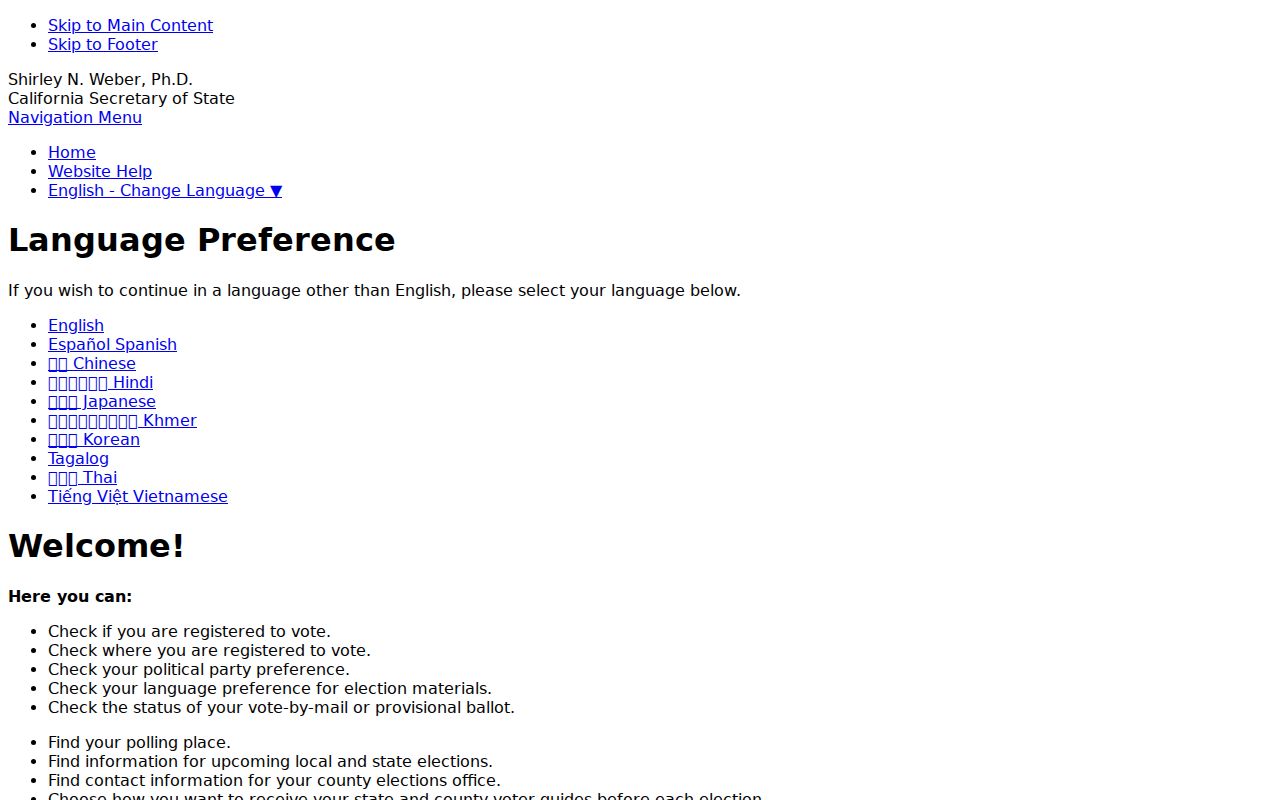
The form is designed for the person checking their own registration. It is not an address-to-voter search.
Restricted voter-file requests follow Elections Code section 2194. Qualified candidates, committees, and people using the data for election, scholarly, journalistic, political, or governmental purposes may apply. A statewide file costs $100. A request for up to ten specific voters costs $30 per record, capped at $100, and requires identifying details, a stated purpose, security controls, and a certification under penalty of perjury.
Read the state voter-file request rules before treating any ZIP-related election data as available. Registration records are exempt from ordinary CPRA disclosure under Government Code section 7924.000.
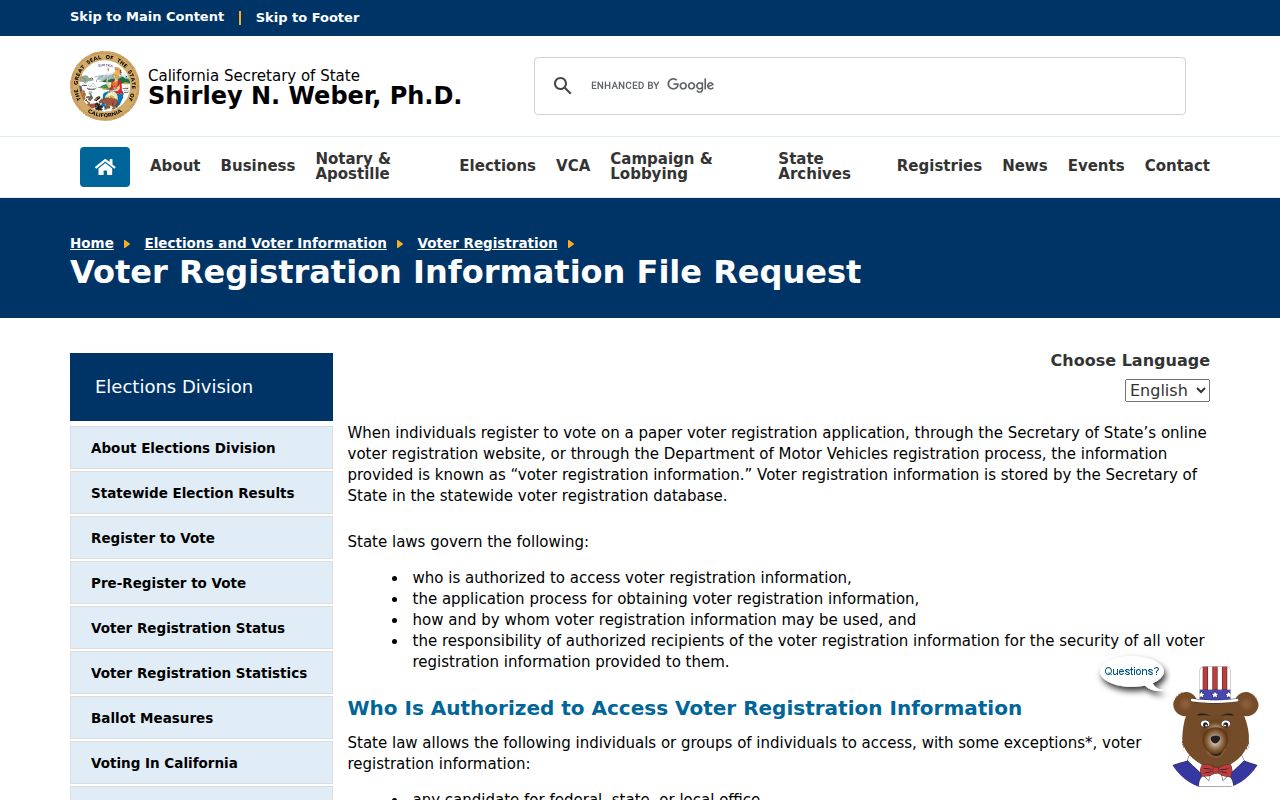
The request page makes the purpose and fee boundary visible. It does not authorize a casual ZIP-wide roster.
Nearby ZIP Codes Around South San Francisco
94066 is associated with San Bruno, 94014 with Daly City and Colma, and 94005 with Brisbane. They are close to South San Francisco, yet they are not South San Francisco ZIP codes. A nearby ZIP can appear in a mailing address, search result, business record, or historical newspaper without moving the parcel into South San Francisco.
Check by address, then use the county map for jurisdiction and the city permit channel for the municipal record. Postal result, city record, and APN should agree before a name is tied to a place.
Note: Nearby postal codes are useful comparison points, but they should never be folded into a South San Francisco ZIP count.
South San Francisco ZIP Registration Context
State election pages explain where a voter can authenticate a personal record and where a qualified requester can apply for restricted data. The California registration-status information page is a useful authority check when a ZIP-based question starts to drift toward voter data.
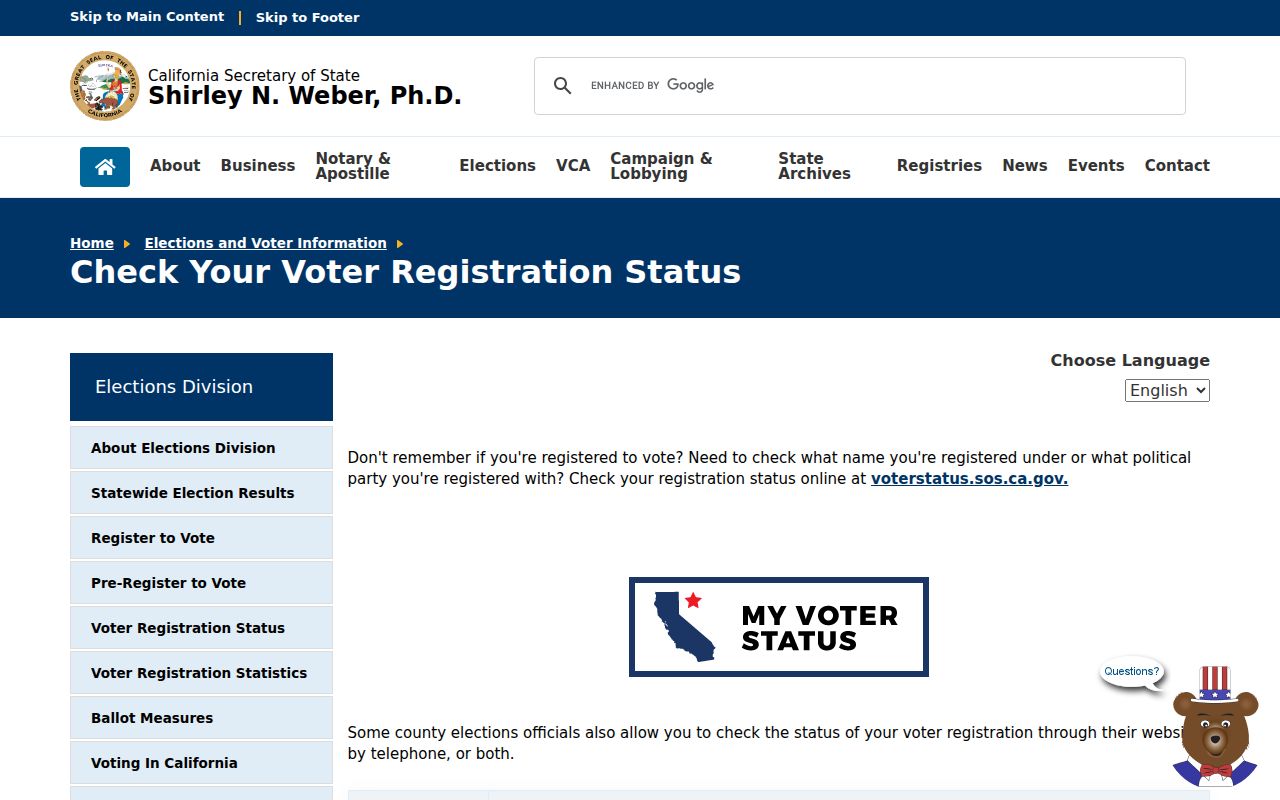
The division is clear: USPS handles delivery, the city handles municipal address records, ACRE handles parcel and recorder paths, and election officials handle authorized voter services. The source office determines what a ZIP result means.