
South San Francisco Resident Records
A South San Francisco resident lookup should begin with the record that can answer the real question. A deed confirms title parties, not every occupant. A court index shows a case trail, not a complete file. A directory places a household in an earlier year, while a vital record confirms an event only under its access rules.
| Record | What It Confirms | Where | Access |
|---|---|---|---|
| Property map and deed | Parcel, title parties, legal description | San Mateo ACRE and recorder | Address/APN map; party-name deed index |
| Superior Court index | Case, party role, filing history, events | San Mateo Online Case Access | Index public; images vary |
| Vital records | Event, date, place, relationship | County Clerk-Recorder or CDPH | Informational or authorized copy |
| Voter status or file | Self-authenticated status and residence | My Voter Status | Self-check or statutory purpose |
| Business, FBN, or license | Entity, agent, license, business address | bizfile, County FBN, DCA | Public fields differ |
| Directory, yearbook, obituary | Past address, school, relatives, community | City History Collection and libraries | Scans, databases, or staff access |
South San Francisco is in San Mateo County. ACRE and many court counters are in Redwood City, while the court's Northern Branch is in South San Francisco. That county geography keeps a name search out of the separate City and County of San Francisco system.
South San Francisco Lookup Matrix
Before running a South San Francisco resident lookup, record the printed name, alternate spelling, initials, former surname, approximate age or era, spouse or relative, address, occupation or business, and time window. A 1940 directory address is historical evidence, not a current address. An agent in a business filing is a company connection, not a home.
- Name variant
- Keep the printed spelling, initials, surname order, and reasonable alternate forms.
- Time window
- Set the years in which the person could have been in South San Francisco.
- Non-name match
- Use address, spouse, relative, school, occupation, or birth detail to separate namesakes.
- Custodian
- Identify the office that can confirm the lead instead of treating a copied index as final.
Require two independent matches before merging records. A court case and deed sharing only “John Lee” are weak; an address and spouse shared by a 1938 directory and the 1940 census are stronger.
- State what the lookup must confirm and set its date range.
- Anchor a known address to an APN, or anchor a name to a dated source.
- Search the court, deed, vital, business, or historical index with variants.
- Compare a second source that carries a different non-name detail.
- Ask the custodian for the official copy or correction route when needed.
South San Francisco Court Lookup
South San Francisco cases belong to the Superior Court of San Mateo County. The Public Records Index and Odyssey are reached through online case access. The Northern Branch is at 1050 Mission Road; Records Management is at 400 County Center, Room A, Redwood City. A name-only index is not a statewide criminal-history report and is not proof that a namesake is the party.
Start with the state's court case access explanation, then use the case search before requesting a file.
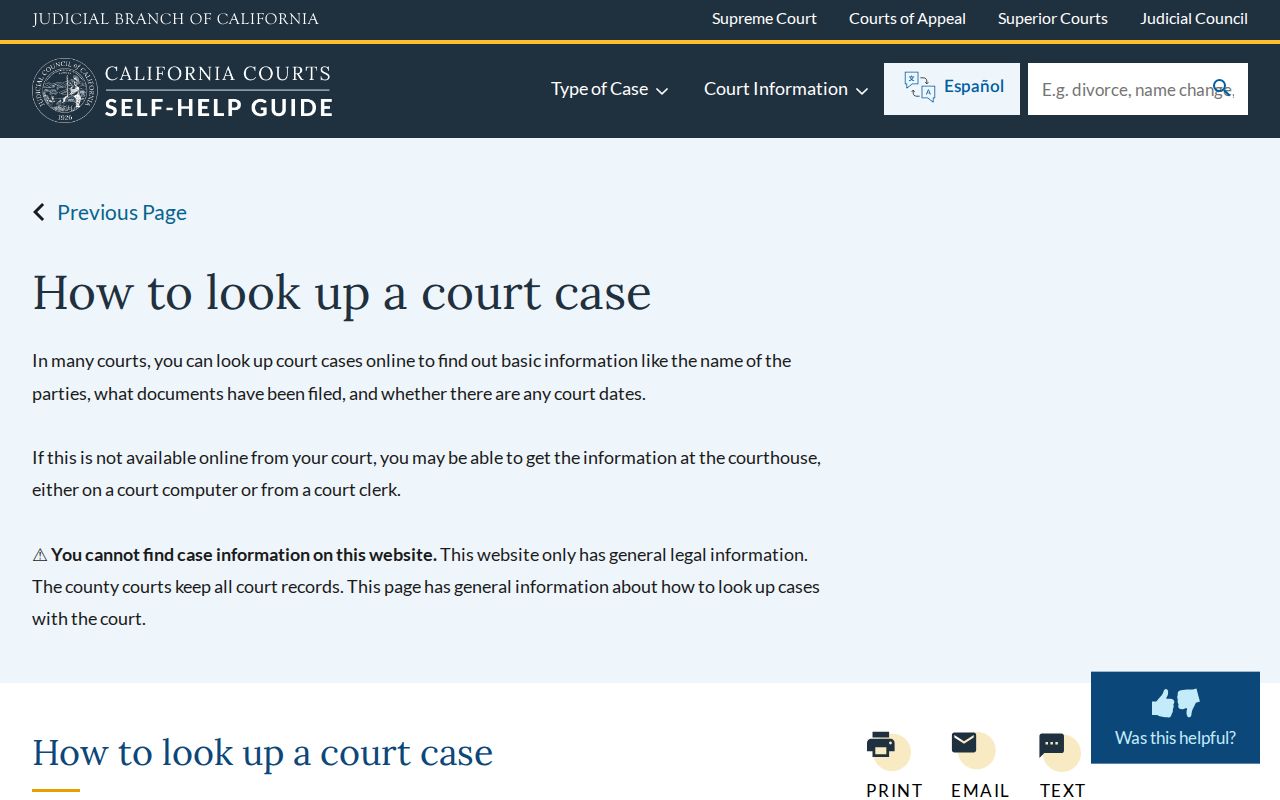
The court reference separates finding a case from viewing its documents, which is the key first step in a resident lookup.
| Field label | Type | Required | Notes |
|---|---|---|---|
| Search Type | Choice | Yes | Case number or party/name search |
| Case Number | Text | Conditional | Exact local format is best |
| Last or Business Name | Text | Conditional | Try variants and former names |
| First or Middle Name | Text | No | Reduces same-name results |
| Date Filed From/To | Date pair | No | Useful for common names |
| Case Type | Dropdown | No | Civil, criminal, family, probate, small claims, and exposed categories |
| Search/Reset | Buttons | Not applicable | Run or clear criteria |
A docket inventory can show:
- Case number, title, category, filing date, and party roles.
- Status, judicial officer, department, hearings, and register-of-actions events.
- Document titles, with images only when the access rule allows them.
- Docket
- The chronological case record of filings, events, hearings, and status.
- Index versus image
- An index identifies a case or event; an image is the underlying document and may be restricted.
- Certified copy
- A copy issued or attested by the custodian for a purpose requiring official certification.
Rule 2.503 limits remote public documents in criminal, family, juvenile, guardianship, conservatorship, civil-harassment, and other sensitive matters.
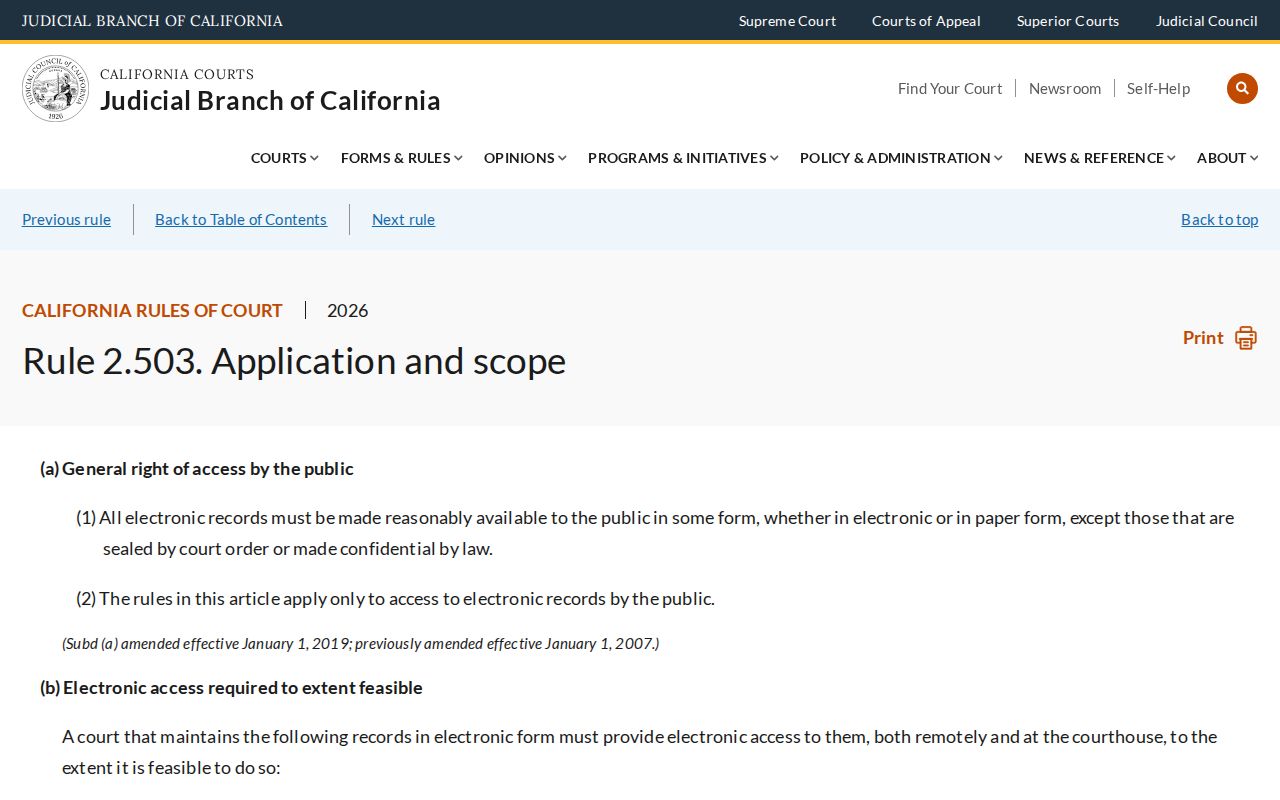
The rule explains why a docket can be visible while its image is not. San Mateo's authenticated self-represented electronic access expanded for Family Law in 2024 and Civil in 2025, without making sensitive files open to everyone.
Federal matters use the PACER Case Locator, not the San Mateo index. Search by party, case number, court, date, or nature, with an account and current usage rules.
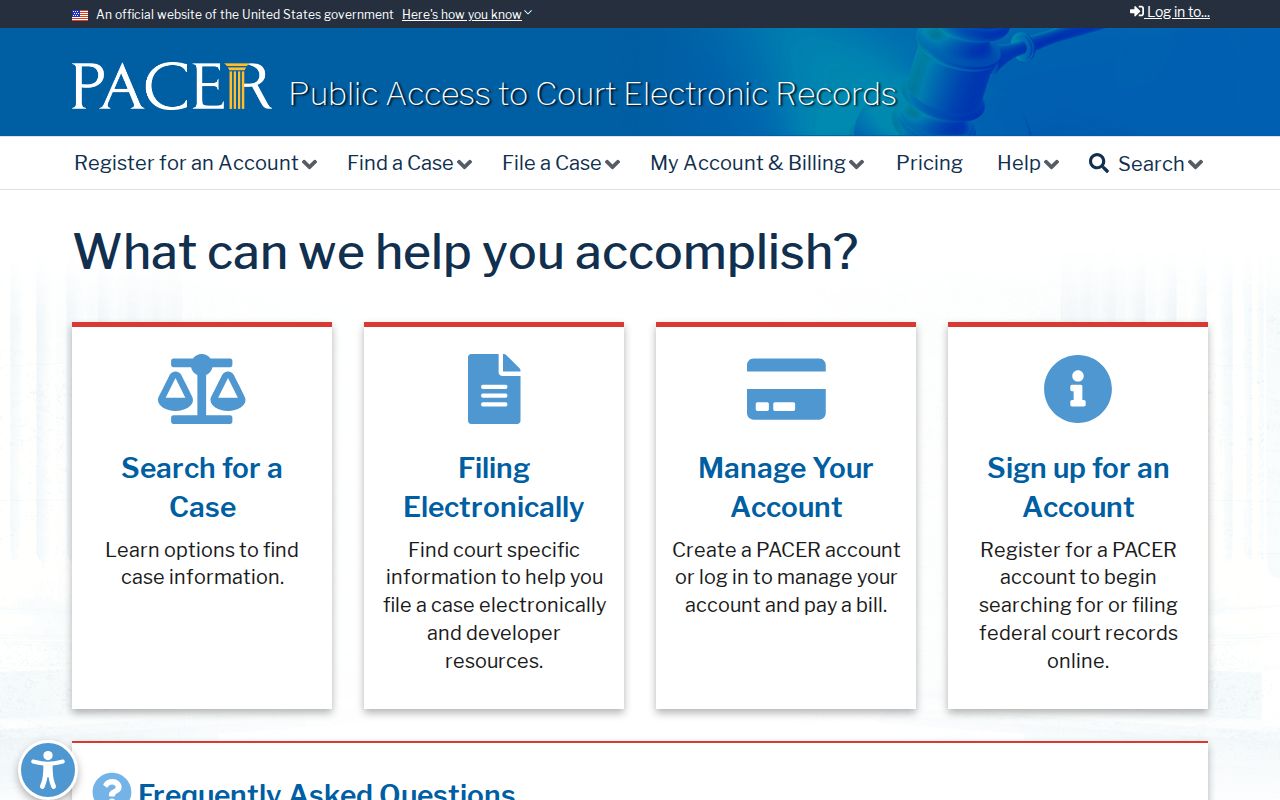
PACER confirms a federal docket trail; local records still supply place and relationship clues for a same-name check.
When a needed San Mateo document is not remote, use the mail copy procedure. Give the case number, parties, approximate filing date or document description, stamped envelope, and a blank “Not to exceed” check. The court says it replies within 30 days and does not research an unidentified file. Posted fees include $0.50 per side, $15 for a certified dissolution record, $40 for other certification, $50 for exemplification, $15 for a search beyond ten minutes, and $10 for off-site retrieval.
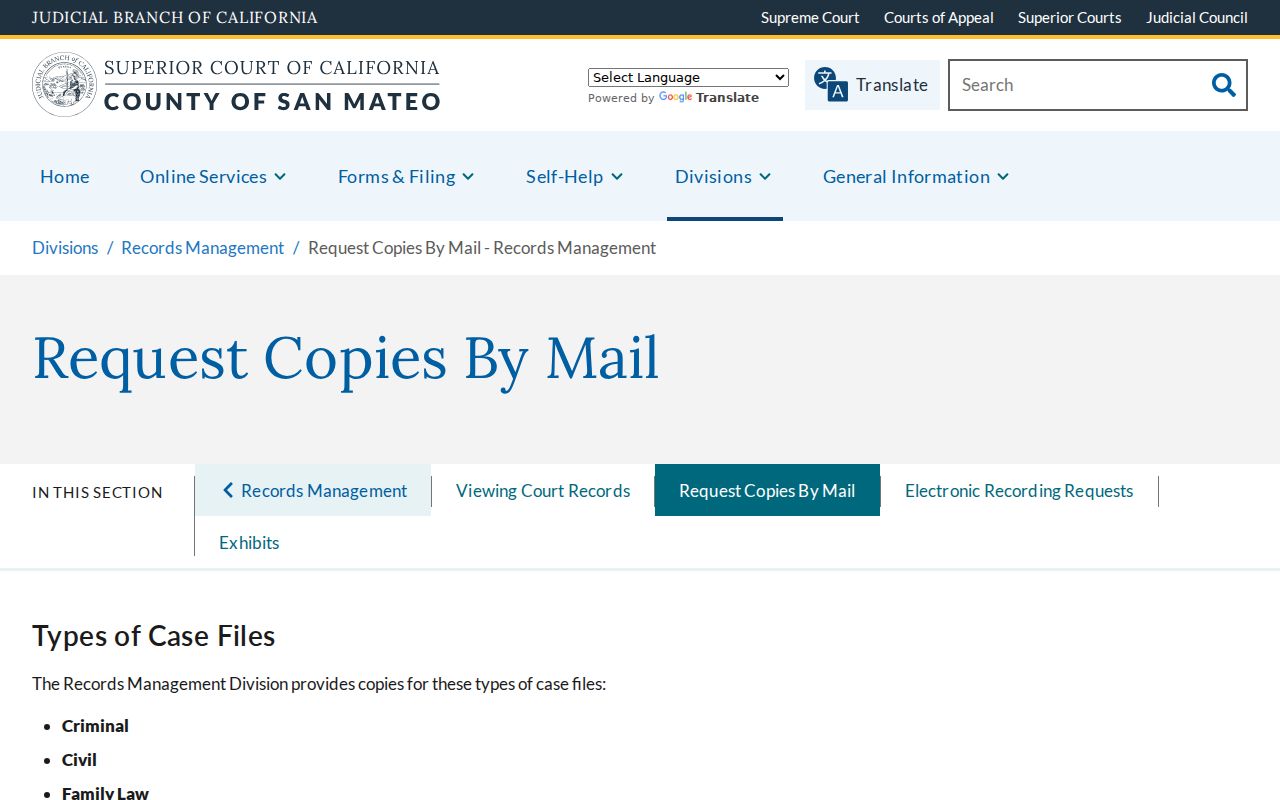
A copy request should name a defined record. It should not ask the court to create a resident list or certify an identity the file does not establish.
South San Francisco Property Lookup
A property record can anchor a South San Francisco resident lookup to a parcel, but ownership is not occupancy. Use San Mateo Property Maps by address or APN, then use the Grantor-Grantee Index by party name. An address should become an APN and legal description before the deed chain is searched.
A situs address is the physical parcel, a mailing address receives correspondence, and a legal description controls title. A different mailing address may be a lead to an owner or trust, but it does not prove where anyone lives. The map tools do not provide an unrestricted owner-name browse.
My Voter Status authenticates first name, last name, birth date, California ID or license, and last four SSN when available. It returns the voter's status, address, party and language preference, polling place, elections, and vote-by-mail or provisional status. It is not a public name search. Elections Code §2194 controls voter-file release: a statewide request is $100, while up to ten specific voters cost $30 per record, capped at $100, with an authorized purpose and signed safeguards.
South San Francisco Vital Lookup
California uses copy classes rather than a simple age-based opening rule. An authorized certified copy is limited under Health and Safety Code §§103525-103526 and may require a notarized sworn statement. A certified informational copy is broader but marked “Informational, Not a Valid Document to Establish Identity.” Confidential marriage records are limited under Family Code §511. Adoption and sealed or amended originals need statutory authority or a court order.
| Record | 2026 fee | Access | Custodian |
|---|---|---|---|
| Birth | County $34; state $31 | Authorized or informational | County or CDPH |
| Death | $26 county or state | Informational generally orderable | County or CDPH |
| Public marriage | $19 county or state | Informational available | Recorder or CDPH |
| Confidential marriage | $19 where issuable | Parties or court-authorized | Issuing county clerk |
| Dissolution certificate | State $18 | Separate from court file | CDPH forms or court |
Mail requests identify the person, event date and place, relationship, purpose, contact details, and sworn statement when required. County death applications go to 555 County Center, 1st Floor, Redwood City. AB 64 raised the state fees effective January 1, 2026, so check the custodian before sending payment. A failed search can retain the fee and return a Certificate of No Public Record.
Note: A vital-record search fee can remain due even when the custodian returns a no-record certificate.
South San Francisco Family Lookup Paths
Use the least intrusive source that can answer the question, then move to a custodian-held record when the lead is strong enough.
- Heir. Move from obituary or death evidence to the San Mateo probate index, petitions, interested persons, and a distribution deed.
- Classmate. Ask the Grand Library or Historical Society about yearbooks, photographs, oral histories, and school-era material. Do not republish a private alumni roster.
- Business. Search bizfile by entity name or file number, then compare the County FBN, city license, and DCA license search. A business address is not a home.
South San Francisco's historical collections, Enterprise Journal, HeritageHub obituaries, and yearbooks can bridge an event and a current custodian. Keep the source date and image reference. For names tied to migration or naturalization, the Grand Library, Historical Society, State Library, and NARA San Francisco provide distinct research paths.
South San Francisco Safe at Home
Safe at Home protects eligible survivors of domestic violence, stalking, sexual assault, child abduction, elder or dependent-adult abuse, and human trafficking with a substitute mailing address, mail forwarding, confidential voter registration, and certain property-address protections. It does not erase information already public, and each custodian may need a separate request.
CCPA and CPRA rights apply to covered businesses. The Delete Act's centralized deletion process is administered through the California Privacy Protection Agency. Those rules do not delete accurate deeds, court indexes, or vital records that a public custodian must retain. Start a wrong-record correction with the custodian, preserving the document number, source, date, and exact error. A narrow CPRA request can seek an identifiable existing record, not a newly created resident list.
Safe at Home guidance explains the current protections. Utilities, DMV addresses, confidential files, sealed records, and protected voter data follow separate rules.
Privacy boundary. A protected address or sealed record is an access limit to respect, not a search problem to work around.
Lawful South San Francisco Lookup
A name match is not permission to contact, confront, impersonate, or publish information about a person. California Penal Code §646.9 addresses stalking, Penal Code §653m can apply to repeated harassing electronic contact, and Code of Civil Procedure §527.6 provides a civil-harassment remedy.
Record scams use court threats, property notices, obituaries, and unclaimed-property promises. Verify a message through an independently found ACRE, Superior Court, Controller, or police contact. California ClaimIt is free; an official custodian will not require a gift card to prove a family connection.
Lawful use. Keep a South San Francisco resident lookup to family history, reconnecting, civic research, and other lawful personal purposes. Never use records to stalk, harass, threaten, intimidate, or harm anyone.