
South San Francisco Neighbor Records
A defensible block lookup uses narrow sources. County maps establish adjacency, ACRE adds parcel and title evidence, permits show dated projects, and census or reverse directories reconstruct older households. Community groups can provide public contacts, but private rosters stay with the organization.
| Source | What It Shows About a Block | Access |
|---|---|---|
| County GIS and Property Maps | Contiguous parcels, APNs, map sheets, and lot relationships | Free online viewer and map tools |
| ACRE assessor and recorder records | Parcel evidence, title parties, legal descriptions, and map references per lot | Online index or counter, with privacy limits |
| South San Francisco permits and planning | Construction, applicants, contractors, work descriptions, and dates at an address | City portal or identifiable records request |
| Federal census schedules | Enumerated households in sequence through the public 1950 release | NARA and library genealogy databases |
| Reverse and city directories | Listed subscribers or occupants by house number in selected years | Library and digitized local history collections |
| Election statistics | Precinct-scale totals and participation context, not a public block roster | State or county election reports |
| Neighborhood organizations | Public officers, contact routes, events, and published civic information | Organization pages; member rosters generally private |
A parcel can touch your lot without naming a household. A permit can name an applicant, and a directory can list one subscriber, without identifying everyone at an address.
Map South San Francisco Neighbors by Parcel
The county GIS method is parcel adjacency. Open the San Mateo County Property Maps viewer, search the address, identify its parcel, and zoom until lot lines and surrounding parcels are clear. A radius is not required. APNs keep each click tied to a county record.
- Search the subject address by street address and note the APN, map sheet, and legal-map references.
- Use zoom, pan, and identify controls to select each parcel that touches the subject lot or sits directly across the street.
- Record each adjacent APN and situs address before opening assessor, recorder, or permit material.
- Use the county record path for ownership evidence and the city path for permit or planning evidence.
- Switch to the South San Francisco street directory when the question expands from one block to a full named street.
Map scale matters. A parcel that appears close at a wide zoom may not share a boundary. Use line work and recorded maps, not a visual guess about proximity.
South San Francisco APNs Shape the Neighbor Trail
San Mateo County's map workflow has several modes. Address search starts the process; APN search is stronger once the parcel is known. Assessor Map, recorded maps, Parcel Map, and subdivision-map references reveal how the block was divided.
- Find parcels by ADDRESS
- Turns a street address into a parcel result and links to map references.
- Find parcels by APN
- Retrieves the exact assessor parcel when an address is shared, changed, or incomplete.
- Assessor Map
- Shows the county map book, page, and parcel geometry associated with the result.
- Recorded maps
- Parcel Map or subdivision-map volume and page records show lot creation, dimensions, and related map context.
- Zoom, pan, identify
- Lets a researcher inspect adjoining lots one at a time without creating a people list.
- Measure and print
- May support distance or map output where enabled, but measurement does not prove a relationship between households.
Note: The county map is a parcel tool, not a public owner-name browse; move from APN to the specific supporting record.
South San Francisco Neighbor Permits Show Block Change
Permits add dates to a block's physical history. The South San Francisco permit and inspection channel can organize searches around a full street address, permit or application number, record type, and date range. Results may show an applicant, contractor, architect, scope of work, valuation, issue or final date, and inspection status, depending on the module.
A permit is evidence that someone represented a project at an address. It is not a resident roster. A reroof, addition, demolition, or change in parcel layout can explain why a later directory has a different number or why a building footprint differs from an older map. For older files not exposed online, request the address, APN, permit type, and approximate era from the department.
Plans can contain redactions or security-sensitive detail. Keep the neighbor question tied to public project facts, not private contact information that may appear in a historical application.
Historical South San Francisco Neighbors
Older blocks need a different source mix. The city's digitized South San Francisco directories for 1907, 1929, 1938, and 1940 can show names, addresses, occupations, and sometimes street sections. The Enterprise Journal run from 1895-1920 can add moves, notices, obituaries, and business clues. Census schedules through 1950 place households in sequence, while the Haines San Mateo County reverse-directory run reported by SFPL begins in 1977.
Read the address line and surrounding house numbers together. One listing may represent one subscriber, not everyone at the property. Match name, spouse, occupation, age, or neighboring household. The 1907 volume predates South San Francisco's 1908 incorporation, so an early block may use Baden, a ranch, an industrial site, or an unnumbered road.
South San Francisco Neighborhood Names Overlap
Neighborhood names help describe a block, but they are not always fixed legal units. The city's South San Francisco neighborhood information is the better starting point for official context. Informal usage can overlap, especially where an older civic core meets a later subdivision or a large industrial corridor.
- Downtown and Old Town cluster around Grand Avenue and the older civic core.
- Sign Hill, Orange Park, Sunshine Gardens, Winston Manor, and Buri Buri identify established residential areas.
- Westborough, Avalon Park, Serra Highlands, Paradise Valley, and Brentwood point to later western growth.
- Industrial and east-of-101 areas use large parcels, campus addresses, and business records that differ from household sources.
Use a neighborhood label as an aid, then defer to the APN, city jurisdiction, and recorded map.
South San Francisco Neighbor Contacts Are Not Private Rosters
The public community layer can help a person learn about a block's history or reach an organization. It cannot authorize copying member data. The city's history resources identify the South San Francisco Historical Society and the Grand Library History Collection as public research contacts.
| Public contact | Useful public route | Boundary |
|---|---|---|
| South San Francisco Historical Society | 80 Chestnut Avenue; museum@ssfhistory.org; yearbooks, maps, newspapers, oral histories, and photo research | Public contact and open membership do not expose a private member list |
| Grand Library History Collection | history@ssfca.gov and (650) 877-8530; staff-mediated local history materials | The History Room is closed to casual browsing; request a collection or year |
| Neighborhood, civic, or business group | Published officers, public events, and official contact page | Use only information the organization deliberately publishes |
The Historical Society reports $15 individual and $20 family membership, but membership is not permission to republish names. Public officers and contact routes are the useful facts.
South San Francisco Voter Limits on Neighbor Lists
California's My Voter Status service authenticates the voter. It asks for first name, last name, date of birth, and a California driver license or ID number or the last four digits of a Social Security number. It does not offer an open street, block, ZIP, or neighbor search. Election participation history never reveals ballot choices.
Voter-file access is controlled by Elections Code section 2194 and Government Code section 7924.000. Qualified candidates, ballot-measure committees, and people using data for election, scholarly, journalistic, political, or governmental purposes can apply. A statewide file costs $100. A request for up to ten named voters costs $30 per record, capped at $100, and requires a stated purpose, requested geography or fields, delivery and security information, and a certification under penalty of perjury.
That process is not a public block roster. A South San Francisco neighbor lookup must use public parcel and history sources instead of turning restricted election data into a household list.
Protected South San Francisco Neighbor Addresses Need Care
Safe at Home gives eligible survivors a substitute mailing address, mail forwarding, confidential voter registration, and certain property protections under Government Code sections 6205-6211. Utilities, delivery files, DMV addresses, school data, and customer accounts are not public neighbor sources.
California privacy rights differ by record keeper. The CCPA and CPRA can give covered businesses access, deletion, correction, and opt-out rights; the Delete Act created a centralized deletion mechanism for registered data brokers. They do not erase a government record a custodian must retain. The California Privacy Protection Agency anchors the privacy-rights part of a careful South San Francisco neighbor search.
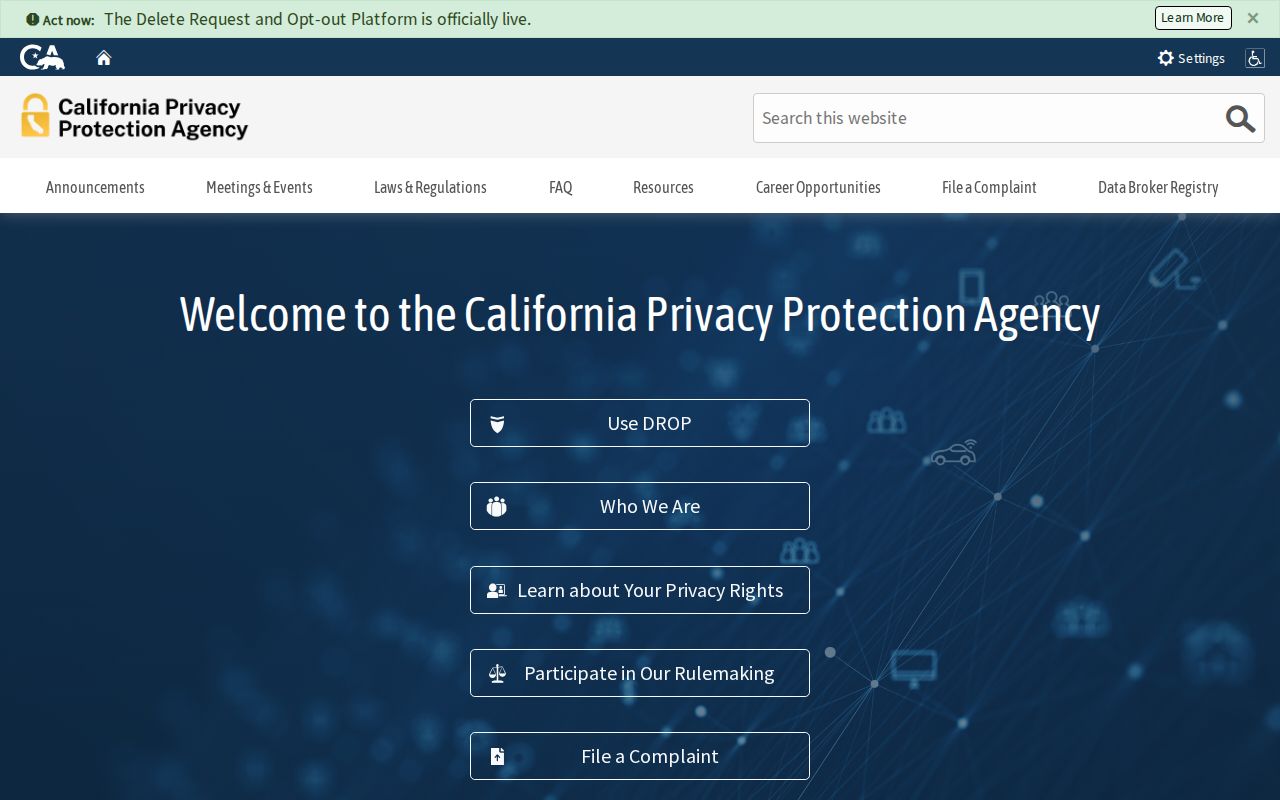
Privacy rights may limit commercial data use, but they do not turn a public parcel map into a full household directory.
Read the Safe at Home protections before interpreting a missing name or substitute address.
South San Francisco Records Versus Commercial Neighbor Tools
Commercial neighbor-search services are only a broad category of leads, not a substitute for a custodian. They may blend deeds, marketing data, telecom data, and old directories. Official records have narrower scope, but their record type and access limits are visible.
| Source type | Strength | Limit | Lawful next step |
|---|---|---|---|
| Official parcel, deed, or permit record | Identifiable custodian, APN, document, address, or project date | Owner is not every occupant; access and redactions apply | Verify the specific record with the county or city |
| Historical directory or census | Household, address, sequence, occupation, and time context | Coverage gaps, lag, OCR errors, and voluntary listings | Compare another year or source |
| Commercial neighbor-search category | May gather several clues in one result | Stale, blended, costly, or unclear sourcing | Use only as a lead, then return to the custodian |
For a safety question, verify a claimed identity through the right official channel rather than confronting someone or publishing a guess.
The federal recovery resource IdentityTheft.gov is the safer starting point when a neighbor-record search exposes identity theft rather than useful block context.
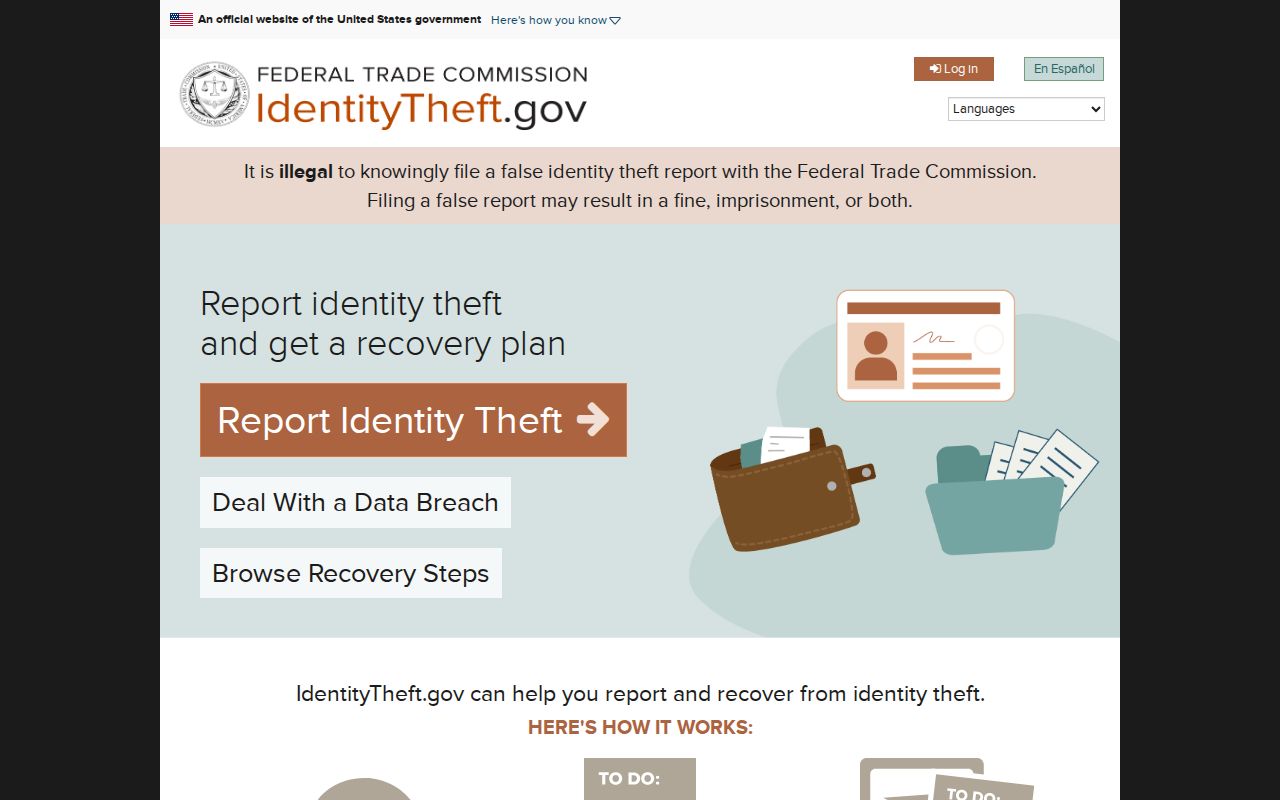
IdentityTheft.gov focuses on recovery steps, not on building a list of people around an address.
Specialized safety registries have their own limits. The California Megan's Law Website provides the state's official registry search and legal warnings.
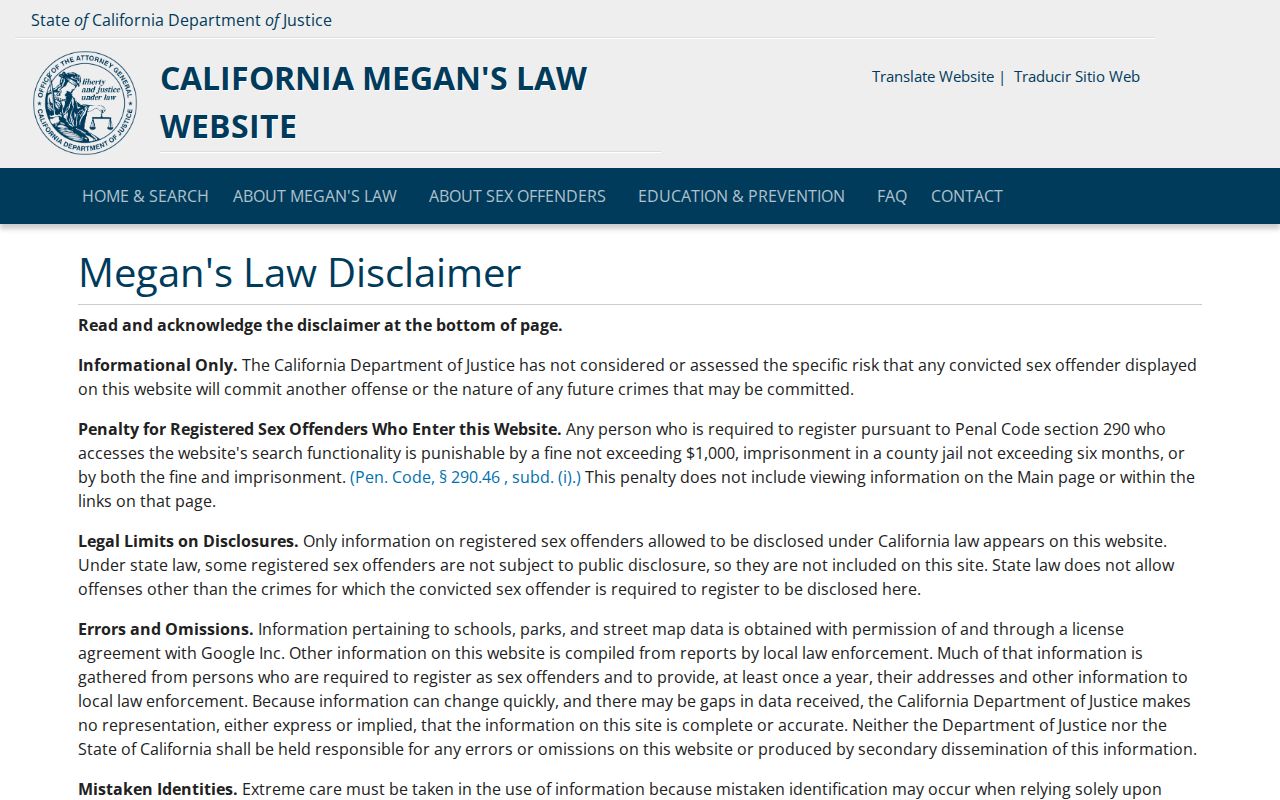
Handle a specialized registry result under its stated law, never as a neighborhood profile.
Report South San Francisco Neighbor-Record Scams
Address records can bait fake deed-copy, court-warrant, jury-duty, property-fraud, and identity-theft messages. Confirm a letter with an independently found county or court number. Preserve the envelope, headers, payment instructions, and screenshots.
The FTC ReportFraud channel accepts national fraud reports and recovery information.
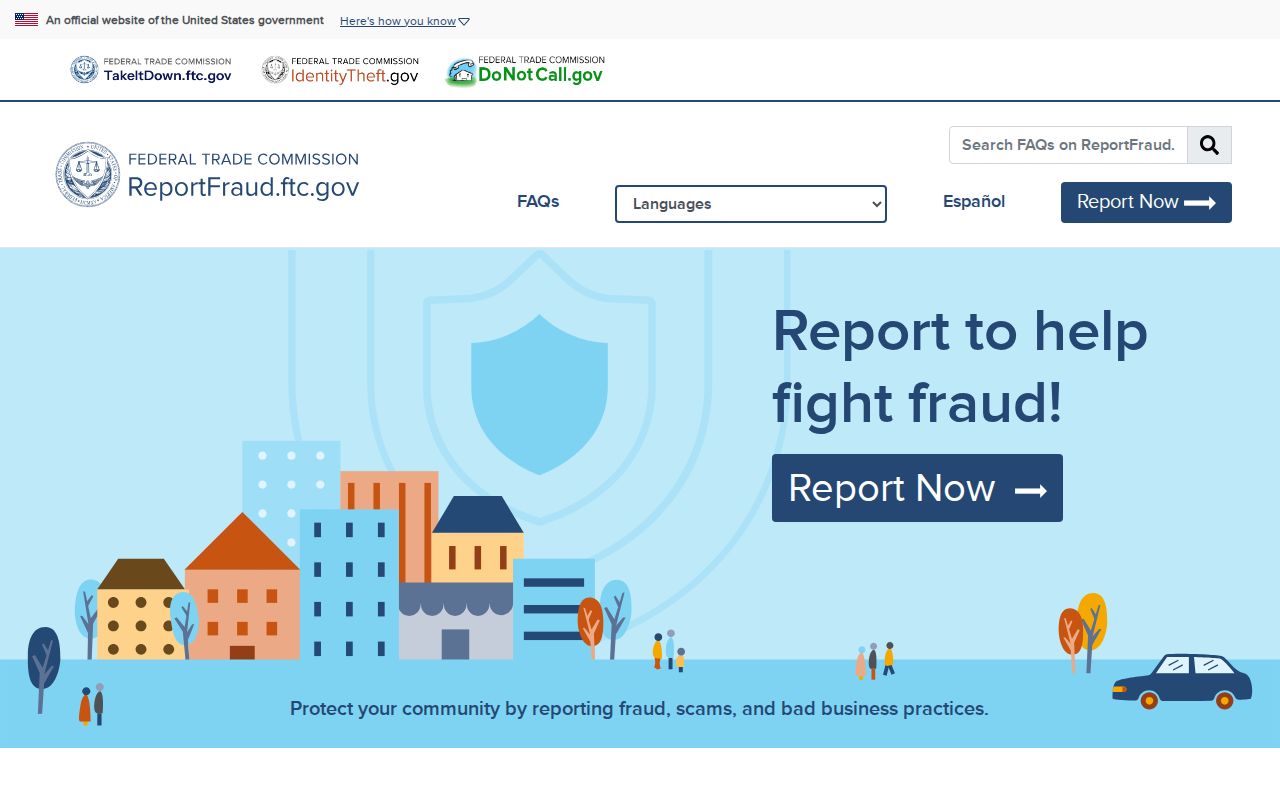
The FTC image connects a suspicious record message to a reporting route, not to a search for more personal data.
For a California business or service complaint, use the Attorney General consumer complaint channel.
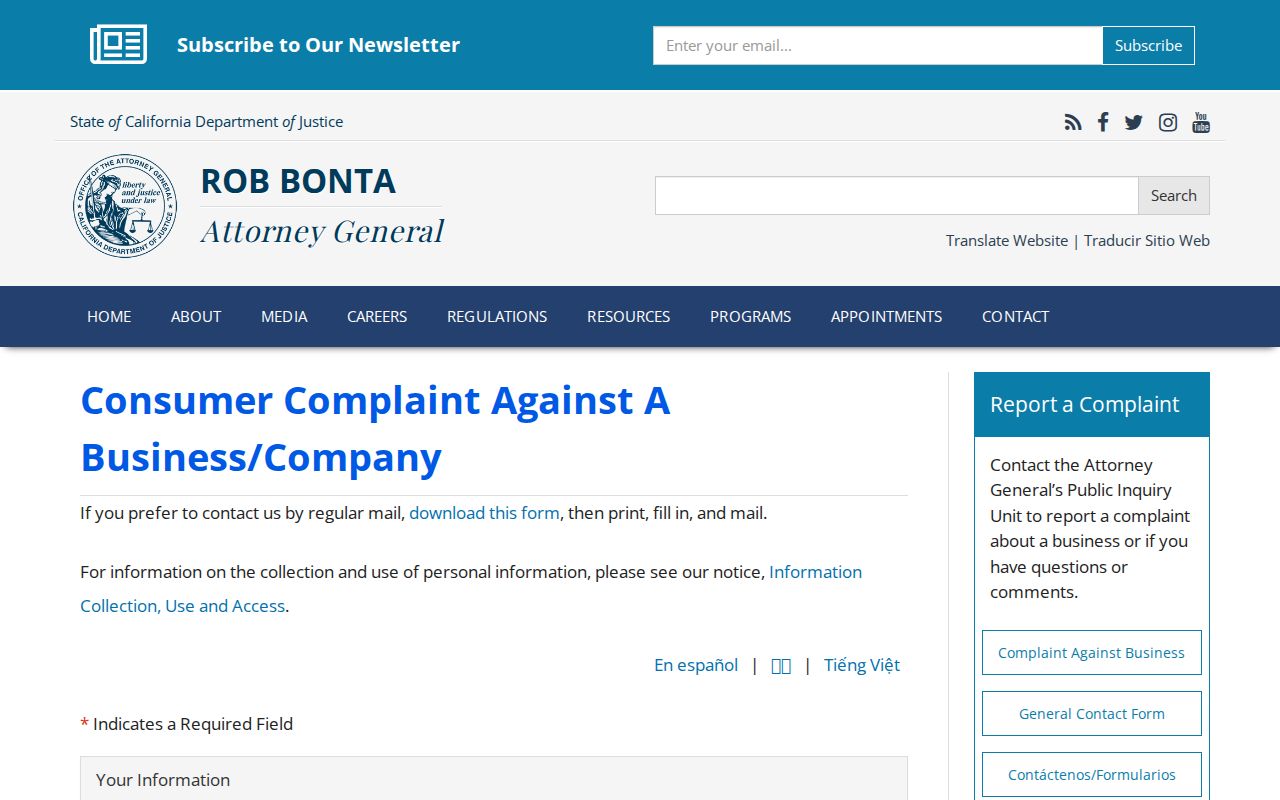
Keep the report focused on the company, message, payment demand, or privacy practice.
Lawful use. South San Francisco neighbor research is for block history, civic contact, reconnecting, or personal safety awareness. Do not use a parcel, directory, voter, or registry result to follow, threaten, intimidate, or harass anyone. California Penal Code section 646.9 addresses stalking, and section 653m can apply to repeated harassing electronic contact.